Moth Night 2021
Cairns Botanic Gardens
14 July 2021
Cairns, Queensland, Australia
The annual Moth Night was held on an unusually warm and humid night for Cairns. The even was preceded by a Sausage Sizzle and short talk. Approximately 65 people attended, most of who were members of the Friends of the Cairns Botanic Gardens.
Just prior to the talk, a Mole Cricket, Gryllotalpa sp. flew in. It seems to be an undescribed species!
So we would like to request the Volunteers to be on the lookout when they are digging to see if we can find more specimens. This one is a female. We need a male for a proper identification.
Part of the crowd
One of two sets of light sheets
Light sheets were set at two sites, one dominated by huge Paperbarks, Melaleuca leucadendra.
Just on dark a small generator provided power and the moths and other insects started to appear. Australia is in mid-winter in July but being in the tropics, there is always some insect activity.
Images provided by Buck Richardson, Hidetoshi Kudo (Mikey) and David Rentz.
Tropical moths can be identified by checking Buck Richardson's Moth Identification site :: http://www.leapfrogoz.com.au/moths-of-tropical-queensland-australia/moth-identification/
Hightlights of Australia tropical biota can also be found on D Rentz' blogspot: https://bunyipco.blogspot.com/
Additional information provided in the "Albums" section of D Rentz Flickr Site:
https://www.flickr.com/photos/naturenoises/
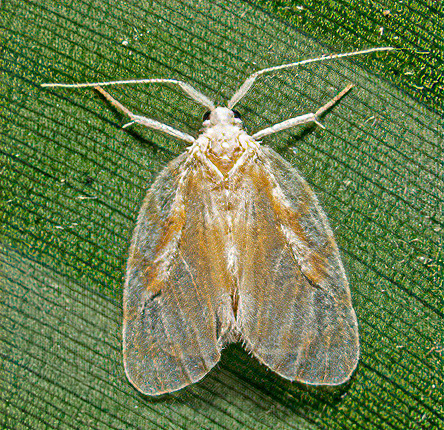
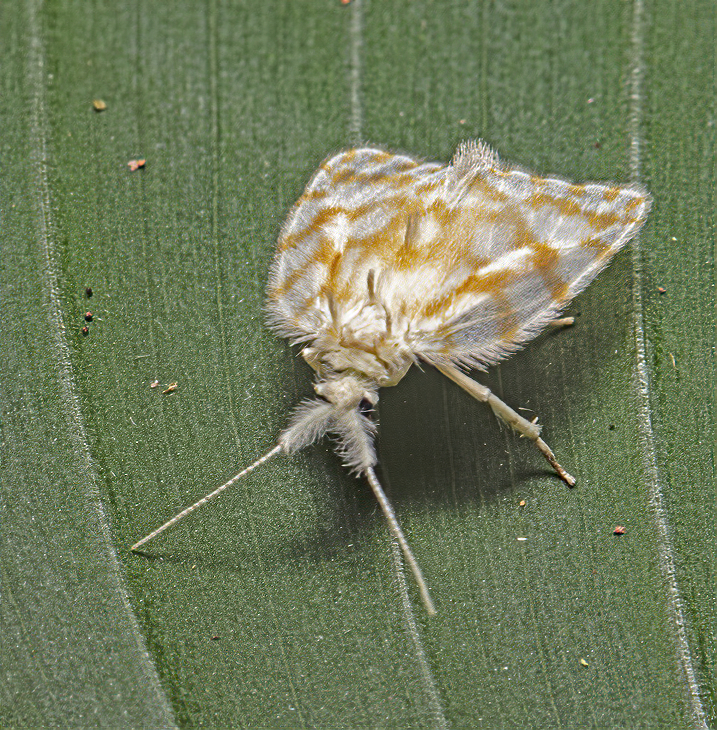
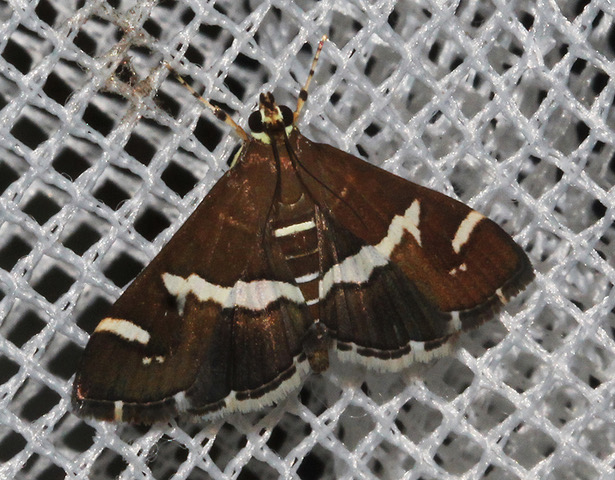
The insect visitors:
Aganaidae: Agape chlorophyga
Crambidae: Spoldea recurvalis
Crambidae: Glyphodes stolalis
Crambidae: Glyphodes multilinealis
Geometridae: Eumelea sp
Geometridae: Heterostegane sp.
Drepanidae: Tridrepana lunulata
Uraniidae: Epiplema conflictaria
Arctiidae: Nyctemera sp
Lymantriidae: Arctornis submarginata
Other visitors:
An Assassin Bug, Reduviidae: Emesinae
A relatively large Pygmy Grasshopper, recently described Tetrifgidae: Selivinga tribulata
A native rainforest cockroach Ectobiidae: Carbrunneria maxi
Female Stick Insect Sipyloidea larryi (named in honour of Cyclone Larry!)
Tortoise Beetle: Chrysomelidae
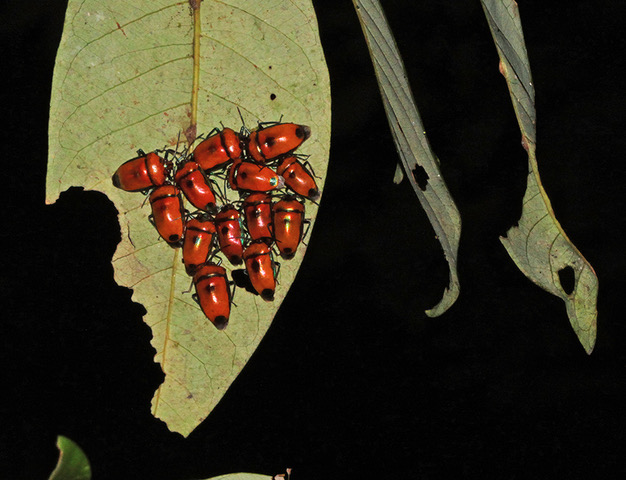
Aggregation of Shield Bugs: Scutellaridae: Calliphara imperialis

 Posts
Posts


.jpg)


%20.jpg)